You know that feeling when your competitor’s ads seem to follow you around like a clingy ex? Yeah, we’ve all been there. You scroll through social media, click on a search result, and boom—there they are again, flaunting their offers like they own the internet. But guess what? You don’t have to sit back and watch them hog the spotlight. You can get in front of their audience, ethically and effectively, using Google Ads.
In this 2026-upgraded guide, you’ll learn three powerful ways to target your competitor’s audience and win their attention. No shady tactics. No sneaky tricks. Just smart, strategic moves that put your brand where it belongs right in front of the people who are already interested in what you offer.
3 ways on how to target competitors audience on Google Ads
Let’s roll up our sleeves and explore three smart ways to challenge your competitors no tricks, just pure marketing muscle.
Way #1: Target People Who Visit Your Competitor’s Website
Your ideal customer is already browsing online, hunting for exactly what you offer but they’ve landed on your competitor’s site first.
Now, instead of sitting back and watching the show, you get to crash the party with better snacks, cooler vibes, and a pitch they can’t ignore.
This strategy lets you step right into their decision-making moment and say, “Hey, before you commit, check out what we’ve got.”
You’re not interrupting you’re offering options. And let’s be real, who doesn’t love discovering something better just in time?
By targeting people who’ve visited similar websites, you’re reaching a warm audience that’s already curious and halfway convinced.
All you need to do is show up with the right message, at the right time, and give them a reason to choose you instead.
Step 1: Identify Your Competitors and Set Clear Goals
Before you start tossing ads into the digital wild, take a moment to map out your battlefield. You need to know who you’re up against—and more importantly, who’s already winning the attention of your dream customers.
Start by listing websites that offer similar products or services. These are your online competitors, and their audience is the exact crowd you want to charm. Think of this as building your marketing “hit list” but instead of sabotage, you’re showing up with a better offer and a friendlier smile.
Next, get laser-focused on your campaign goals. Are you aiming for more website visits to boost brand awareness? Hoping to rack up downloads for your lead magnet and grow your email list? Or maybe you’re chasing conversions and want those sweet, sweet online purchases rolling in?
Whatever your goal, defining it upfront is like setting your GPS before a road trip it keeps your strategy on track and helps you measure success later.
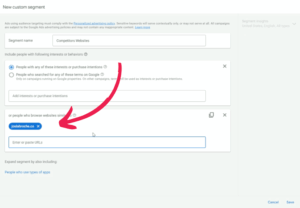
Once you’ve got your competitor list and campaign goals locked in, you’re ready to build your custom audience. Head over to Audience Manager in your Google Ads account and select “People who browse websites similar to.” This lets you target users who’ve already visited your competitors’ sites people who are actively searching for what you sell.
Drop in those competitor URLs one by one, and boom you’re fishing in the exact pond your rivals have been swimming in. Only now, you’re showing up with better bait, a sharper hook, and a message that makes people stop scrolling and start clicking.
This isn’t just smart marketing—it’s strategic audience matchmaking. And when done right, it’s how you turn curious browsers into loyal buyers.
Step 2: Build a Custom Audience in Google Ads
Head over to Audience Manager in your Google Ads account and select “People who browse websites similar to” as your targeting criteria. This is where things get exciting.
You’re telling Google, “Hey, show my ads to the folks who’ve been checking out my competitors.” It’s like casting your net in the exact pond they’ve been fishing in—only now, you’re showing up with a shinier lure and a better offer.
Start plugging in your competitor’s URLs one by one. These are the sites your ideal customers are already visiting, so why not meet them where they are?
Want to take it up a notch? Dive into Audience Insights to uncover valuable details about these visitors their age, interests, habits, and online behavior.
This extra intel helps you write ad copy that feels personal, relevant, and totally irresistible. You’re not just throwing ads into the void—you’re speaking directly to people who are already curious and halfway convinced.
By combining smart targeting with tailored messaging, you’re turning passive browsers into active buyers. And that’s how you win the attention game—without breaking a sweat.
Step 3: Launch Your Ads and Monitor Performance
Once your targeting is locked in, it’s time to name your custom audience something catchy and clear like “Brand Switchers” or “Competitor Converts.” A good name isn’t just for fun; it helps you stay organized and reuse this audience across future campaigns without second-guessing what it’s for.
Next, set your budget based on how bold you want to go. Whether you’re dipping your toes or diving in headfirst, choose an ad format that fits your goals display, video, or discovery. Then hit launch and let your ads start working their magic.
But here’s the golden rule: don’t just set it and forget it. Keep a close eye on how your audience performs. Track key metrics like click-through rate, conversion value, and engagement. These numbers tell you what’s working and what needs a little love.
If your ads aren’t landing the way you hoped, don’t panic—pivot. Tweak your targeting, refresh your creatives, or rethink your messaging. Every campaign is a learning opportunity, and the more you refine, the better your results will be.
This isn’t just about running ads it’s about building a smarter, more responsive strategy that grows with your business. So stay curious, stay agile, and keep optimizing until your audience starts clicking like crazy.
Way #2: Target People Searching for Your Competitor’s Keywords
When you target the same search terms and keywords your competitors use, you’re not just chasing clicks you’re stepping into a conversation that’s already happening.
These searchers are actively looking for solutions, and chances are, your competitors have already done the hard work of warming them up. That means they’re informed, curious, and ready to make a decision.
By placing your ads in front of this highly interested crowd, you’re giving them a compelling alternative right when they’re weighing their options.
It’s like jumping into a room where your competitor is pitching and casually stealing the mic with a better offer, stronger value, and a message that actually resonates.
This isn’t about being sneaky it’s about being smart. You’re showing up at the perfect moment, with the perfect solution, for people who are already primed to convert.
So go ahead—step into the spotlight and let your brand speak louder.
Step 1: Choose Your Campaign or Ad Group
Start by logging into your Google Ads account and choosing the campaign you want to use for this keyword interception strategy. If you’d rather keep things clean and focused, go ahead and create a brand-new campaign just for this purpose it’s a smart move that makes tracking performance and adjusting bids way easier down the line.
Keeping your campaigns separate helps you stay organized and ensures your keyword targeting doesn’t interfere with other ads you’re running. It’s like giving this strategy its own spotlight so you can monitor results without distractions.
And if you’re building a fresh audience for this campaign, great! Tailor it specifically to match the intent behind those competitor keywords. The more precise your setup, the more powerful your results.
This step sets the foundation for a campaign that’s strategic, scalable, and built to convert. So take a moment to get it right you’ll thank yourself later when the clicks start rolling in.
Step 2: Plug in Competitor Keywords
To get your ads in front of the right people at the right time, head into your Google Ads targeting settings and select “People who search for any of these terms on Google.” This is your golden opportunity to intercept high-intent searchers who are already looking for what you offer often through your competitors.
Start typing in those juicy competitor keywords brand names, product names, service categories, and anything else they’re known for. Think of it like building a shopping list, but instead of groceries, you’re collecting the exact search terms your ideal customers are already using.
To keep your targeting sharp, set your match types to “phrase match” or “exact match.” This ensures your ads show up for relevant searches without wasting budget on vague or unrelated clicks. Precision here means better performance later.
Pro tip: Create a separate ad group just for these competitor keywords. It keeps your campaigns clean, makes performance tracking easier, and lets you apply custom bidding strategies tailored to this audience. You’ll be able to see exactly how these keywords perform without mixing them into your broader brand campaigns.
Once everything’s dialed in, hit launch and let your campaign go live. But don’t just set it and forget it run regular ad audits to monitor click-through rates, conversions, and cost-per-click. If something’s off, adjust your targeting, tweak your ad copy, or refine your bidding strategy to get the most bang for your buck.
Think of this tactic like jumping into a conversation your competitor started—and offering a better, more compelling alternative. You’re not hijacking their audience—you’re giving them a reason to switch. And when done right, this strategy can turn curious searchers into loyal customers faster than you can say “conversion.”
Step 3: Launch and Audit Regularly
Once your keywords are in place, launch your campaign and let it run. But don’t forget to audit it regularly. Check which keywords are driving clicks, which ones are converting, and which ones are just burning your budget. Adjust your bids, pause underperformers, and double down on the winners.
Way #3: Target People Searching for Specific Brand Names
This is the most direct method and the most powerful. You’re targeting people who are actively looking to buy from your competitor.
Step 1: Add Brand Names and Misspellings
Go to the “Keywords” tab in your ad group settings. Type in your competitor’s brand name, along with common misspellings. You’d be surprised how many people type “Amazone” instead of “Amazon.” Include product names, service names, and any branded terms that people might search for.
This is like standing outside your competitor’s store with a sign that says, “Hey, we’ve got what you’re looking for—and it’s better.”
Step 2: Craft Irresistible Ad Copy
Since these searchers already know your competitor, your ad needs to be extra convincing. Highlight your unique value proposition. Use bold headlines, clear benefits, and strong calls to action. Make them think, “Wait, maybe I should check this out before buying.”
Your landing page should be optimized for conversions, too. Fast loading, mobile-friendly, and packed with persuasive content. Don’t just lure them in—make them stay.
Step 3: Stay Compliant with Google’s Trademark Policies
Before you go all-in, review Google Ads’ trademark policies. You don’t want to get flagged or banned for using protected brand names. Stay ethical, stay smart, and keep your ads clean.
Bonus Tip: Use the Google Ads Transparency Center to Spy (Ethically)
Sure, showing your ads to people searching for your competitors is a smart move—but it’s only the beginning.
Audience interception is one of the most powerful ways to grow your business, and the secret sauce lies in research. The better you understand your competitors’ strategies, the easier it becomes to outmaneuver them.
Think of it like getting insider tips on what’s working in your niche. You’re not copying you’re learning, adapting, and building something even stronger.
That’s where the Google Ads Transparency Center comes in. It’s your ethical shortcut to understanding how your competitors advertise, what messages they’re pushing, and how they’re positioning themselves in front of your shared audience.
Just head over to the Transparency Center and type in your competitor’s name. Instantly, you’ll see a full lineup of their active ads across formats like video, display, and search.
You’ll discover:
- How many ads they’ve launched (more ads usually means more testing or bigger budgets)
- What types of visuals they’re using (cartoons, overlays, lifestyle shots)
- What messages they’re focusing on (pain points, offers, urgency)
- What formats they prefer (search vs. display vs. video)
You can even filter by location, duration, and ad format to get super specific.
This isn’t about imitation—it’s about elevation. Use what you learn to craft ads that speak louder, convert faster, and resonate deeper.
By understanding what your competitors are doing, you’re not just reacting you’re proactively building campaigns that stand out and win attention.
So go ahead, plug in those names, study the patterns, and turn their playbook into your launchpad. Because in the world of Google Ads, knowledge isn’t just power—it’s profit.
Borrow Their Audience, But Bring Your A-Game
Targeting your competitor’s audience isn’t about stealing it’s about showing up with something better. These people are already interested in what you offer. They’re warmed up, curious, and ready to explore alternatives. All you have to do is make your brand the obvious choice.
Use these three strategies to get in front of the right crowd. Test, tweak, and optimize until your ads hit the sweet spot. And remember, the goal isn’t just to win clicks it’s to build trust, deliver value, and turn curious searchers into loyal customers.
So go ahead step into the spotlight with Our PPC Campaign Management. Your competitor’s audience is waiting.